Educational content grounded in public health sources. Not a substitute for a visit, lab test, or diagnosis. Viral checklists do not confirm diabetes.
The search diabetes warning signs people ignore spikes because type 2 is often quiet. WHO and CDC note symptoms can be mild or absent for years. This deep dive separates patient-education clues from everyday noise — and when a clinical check is worth booking.
What you will understand
- Why “ignored signs” are not an internet diagnosis
- Which clues public sources call classic or suggestive
- Why type 2 fools people who “feel fine”
- Everyday examples without scare tactics
- What does not prove diabetes
- How to prepare for an appointment
- Routine care vs emergency education
Careful reading: about 15–25 minutes.
Short answer
“Ignored” signs are persistent changes people blame on stress, heat, age, or “I’ve always been like this” — yet patient education also lists them with hyperglycemia.
One rough day does not confirm diabetes.
Several repeating clues and/or risk factors can be a strong reason to get assessed.
Confirmation = clinician + labs (how to know · tests).
Why people miss them
1. Type 2 starts slowly
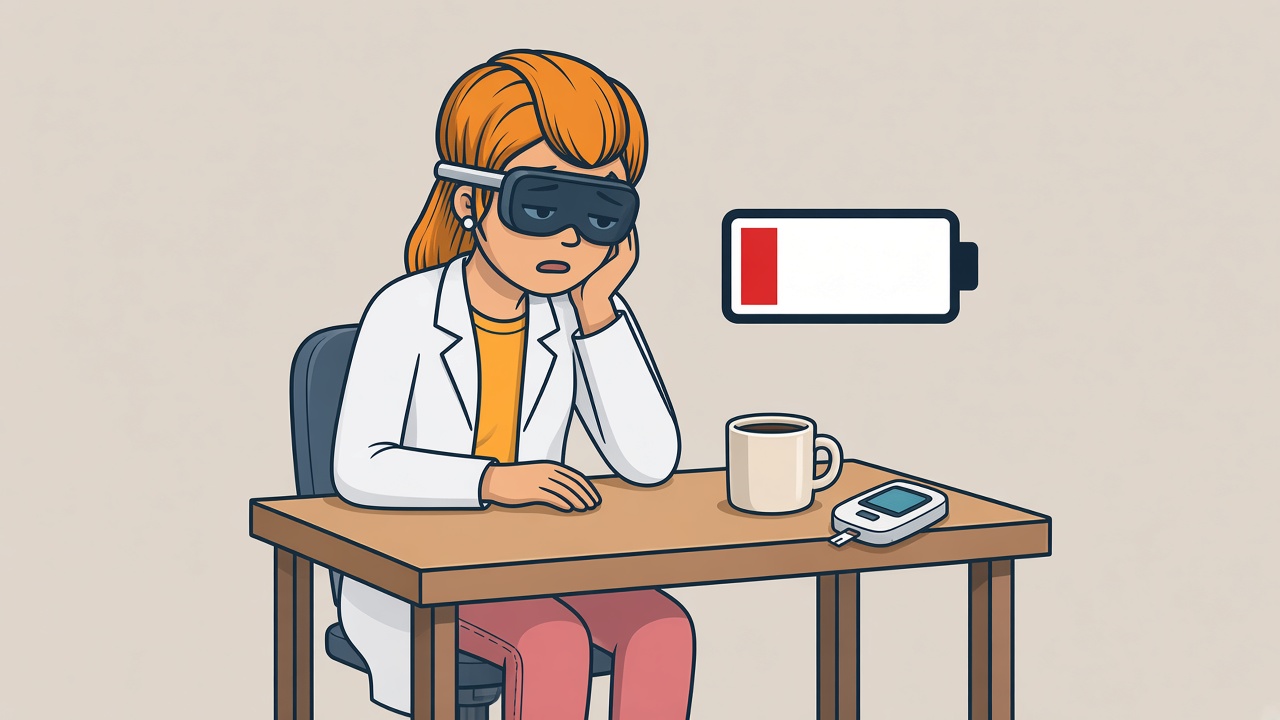
In type 2, glucose can rise gradually. Fatigue becomes “life.” Thirst becomes “hot weather.” Night bathroom trips become “I drank too much.”
2. One clue looks ordinary
Extra water after a long run is not the same as weeks of intense thirst with peeing more.
3. “I feel fine”
WHO/CDC: no symptoms does not rule out type 2 when risk is high.
4. Alarmist social posts
Hospital-style education uses patterns + risk + clinical conversation — no miracles, no self-diagnosis.
Education-cited signs — and how they hide
Thirst that feels “normal”
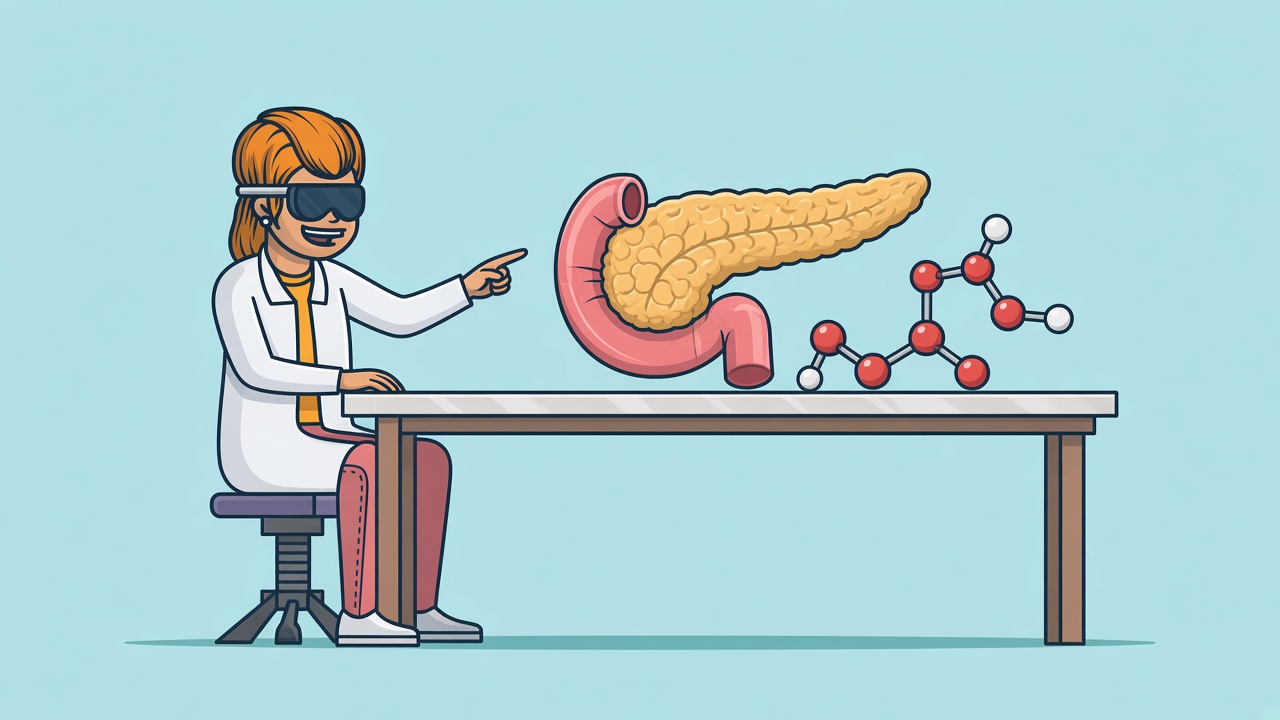
Excessive thirst and the thirst + urination combo sit on the classic chain: high glucose pulls water into urine → more peeing → thirst (osmotic diuresis teaching).
Common story: “I work in the sun,” “salty food,” “I just love water.”
Educational attention: out-of-pattern thirst, dry mouth, waking to drink.
Waking at night to pee
Nocturia appears in suggestive lists. Other causes exist (prostate, caffeine, diuretics) — clinicians sort that out.
Fatigue that sleep doesn’t fix
Fatigue is suggestive and nonspecific. Cells short on usable fuel can feel drained even when you eat.
Vision that comes and goes
Blurry vision can track glucose swings in ADA/NHS education. It is not the same as diagnosing retinopathy alone.
Infections that return
Recurrent yeast or skin/urine infections appear on suggestive lists — yeast and diabetes · skin.
Slow healing and tingling
Slow healing and tingling feet often enter the conversation later in type 2 education — not proof alone. See also diabetic foot (education, not panic).
Hunger up, weight down “without trying”
Hunger and weight loss are classic — often louder in faster type 1 patterns.
Dry mouth
Dry mouth can travel with thirst/dehydration. Medicines and mouth-breathing also cause it — clinical context matters.
Seven everyday educational examples
- A 2 L bottle is empty by noon and your mouth still feels sticky
- Two or three new midnight bathroom trips
- Feeling well, but both parents have type 2 and you’ve never been screened
- Genital itching that returns several times a year
- Blurry vision that improves and worsens in the same week
- A small foot cut that takes “weeks longer” than usual
- Losing weight while eating the same or more — especially if fast with thirst
None of these confirm diabetes. Any may deserve a clinical question.
What does not prove diabetes
| Situation | Education |
|---|---|
| One thirsty day after salty food | May be salt + heat |
| One pharmacy meter reading | Does not finalize diagnosis |
| Instagram checklist | Not a lab |
| “My grandparent had it” | Risk ≠ confirmed disease |
| One dessert | Does not cause diabetes by itself in scientific education |
Type 1 vs type 2 vs silence
- Type 1: often intense thirst/urine/weight loss over days–weeks — less “ignorable.”
- Type 2: can be silent — hence this page.
- Gestational: often asymptomatic; prenatal screening (gestational).
- Children / older adults: different patterns — children · older adults.
Hubs: diabetes symptoms · early symptoms.
Appointment checklist
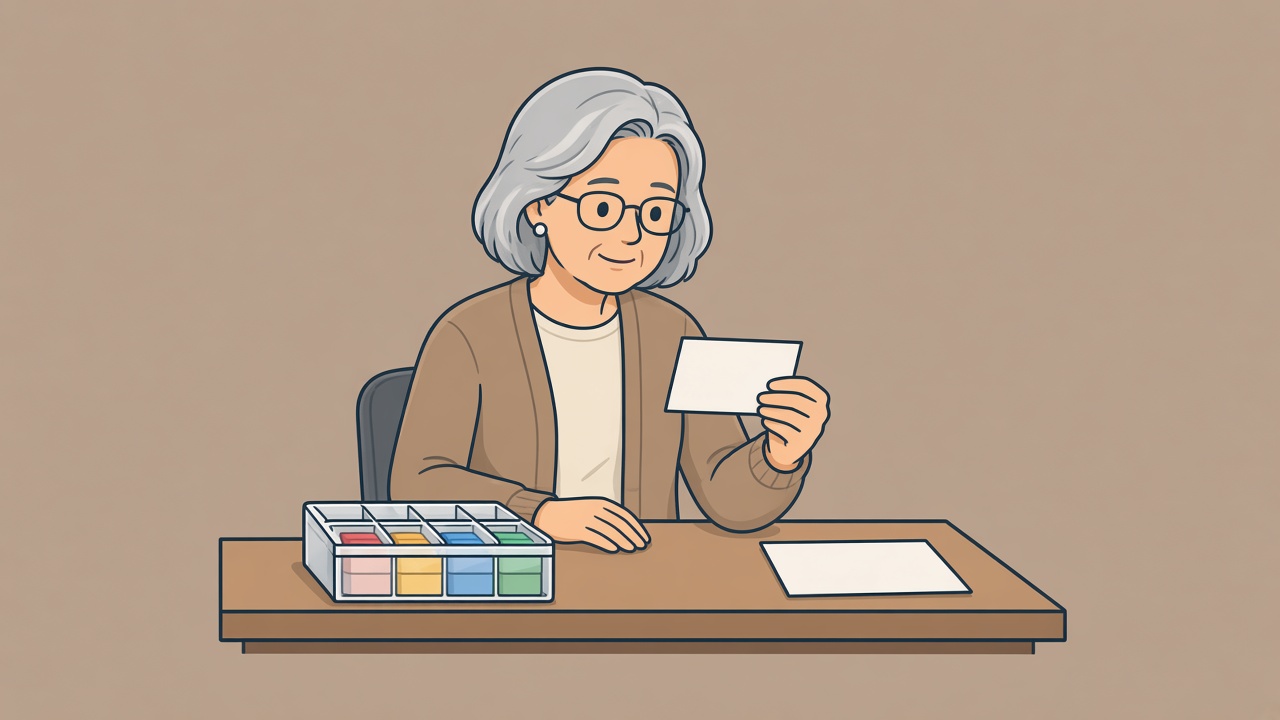
Symptom timeline · night urination count · weight/appetite change · infections or wounds · medicines · family history · prior labs · questions (“Fasting needed?”, “A1c now?”, “When to recheck?”).
When to seek care
Clinical visit: persistent signs, high risk without recent testing, or abnormal screening.
Emergency education: confusion, persistent vomiting, very deep/fast breathing, hard to wake — ketoacidosis · when to seek help.
FAQ
Do ignored signs mean I have diabetes?
No. They are educational clues. Only clinical + lab assessment confirms.
Can I have diabetes with no signs?
Yes — especially type 2 (WHO/CDC).
Is a pharmacy meter enough?
No. See tests.
How does this relate to “how do I know if I have diabetes?”
It complements how to know.
Related
- Diabetes symptoms
- How to know if you have diabetes
- Type 2 symptoms
- Thirst and urination
- Tests
- Risk factors
Next step
If signs you’ve been brushing off keep showing up — especially with risk — book a clinical assessment. This page organizes the conversation; a professional confirms and cares.