Educational content grounded in public health sources. Not a substitute for a visit, test, or diagnosis. No webpage can confirm diabetes for you.
The search how do I know if I have diabetes usually means something changed—or family risk worries you—and you want a clear path. This long guide explains what to notice, what does not prove diabetes, which tests patient education names, and how to prepare for a clinical visit.
What you will understand
- Why symptoms alone do not diagnose
- Warning patterns WHO/ADA/CDC/NHS teach
- Why type 2 can be silent for years
- How risk and symptoms combine into “get checked”
- What fasting glucose and HbA1c ask (without reading your lab PDF)
- Everyday examples
- Myths
- Appointment checklist
- Routine care vs emergency
Careful reading time: about 15–25 minutes.
Short answer
You do not “know” you have diabetes because you were thirsty yesterday.
You may have strong reasons to get assessed when:
- persistent symptoms fit hyperglycemia education, and/or
- risk factors are present, and/or
- a screening result needs clinical context
Confirmation is clinical + laboratory (ADA, CDC, WHO)—never a viral checklist.
Step 1 — What diabetes is (plain metaphor)
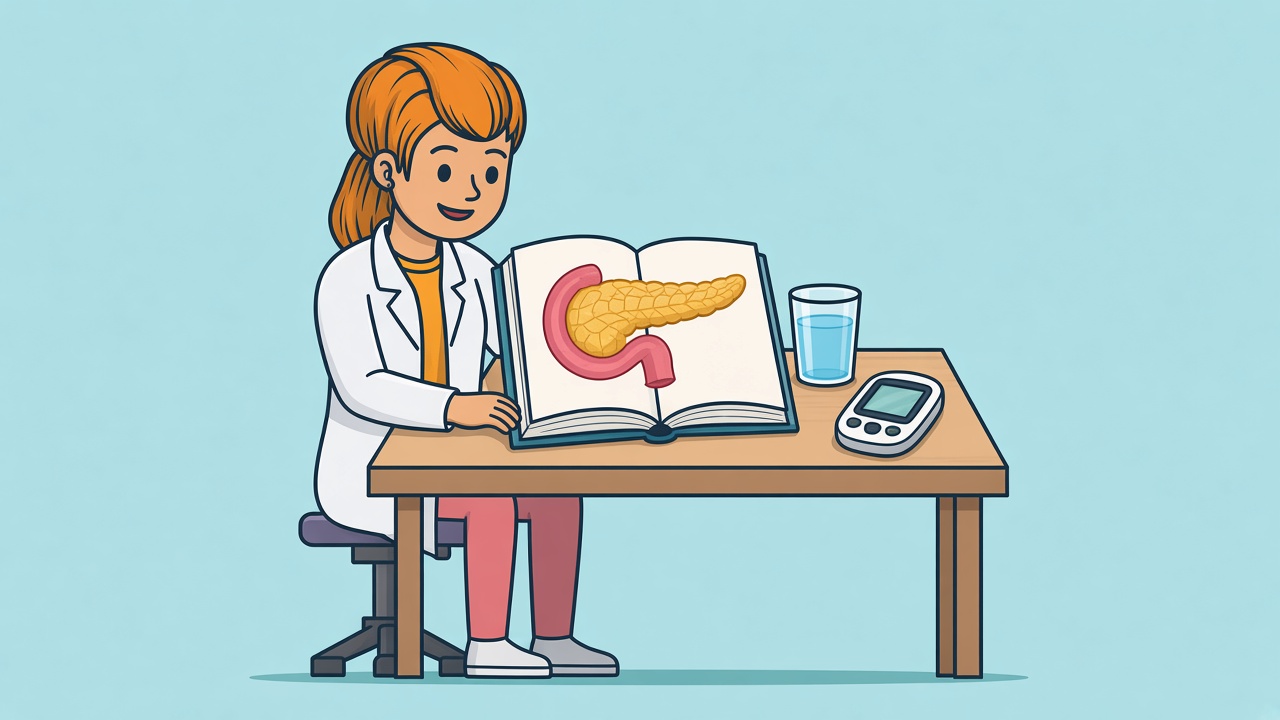
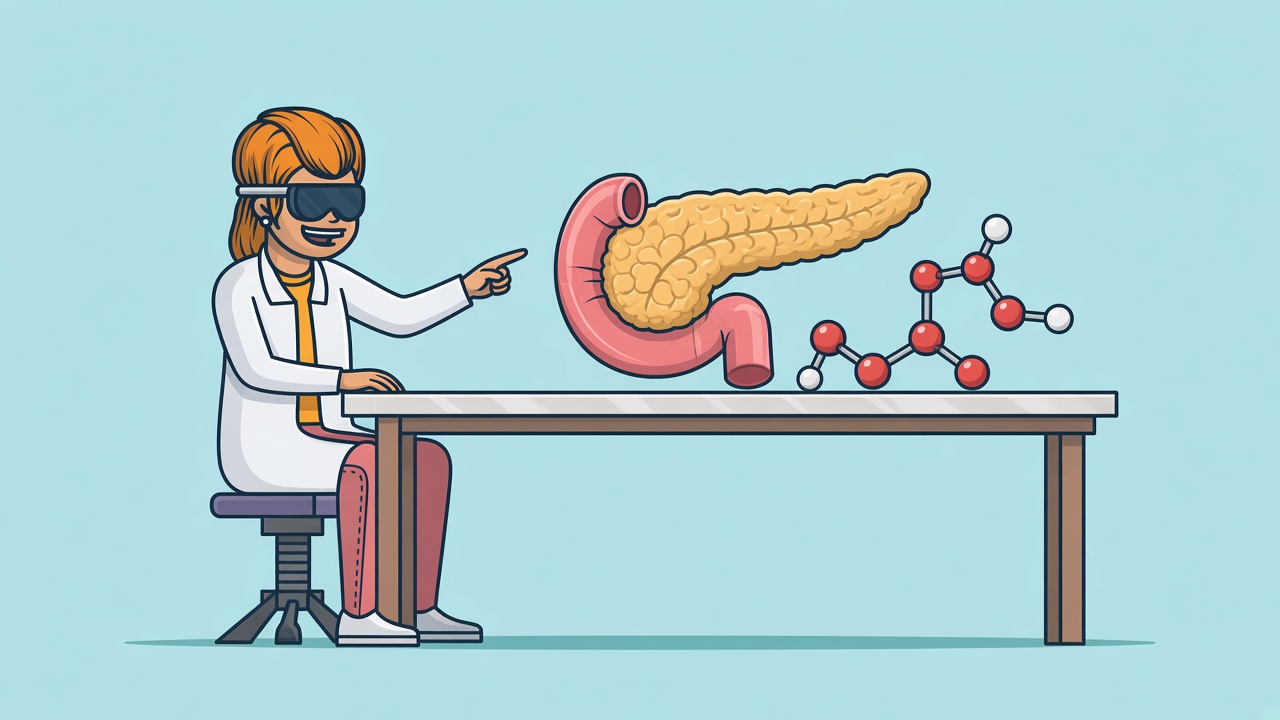
Diabetes mellitus: high blood glucose because insulin is missing and/or not working well (WHO/NIDDK). Insulin is a key; cells are doors. Without a working key, sugar stays in blood while tissues feel underfueled.
More: what is diabetes · types.
Step 2 — Watch patterns, not one odd day
Public education commonly lists thirst, peeing more, fatigue, unexplained weight loss, blurred vision, recurrent infections, slow healing, and tingling (especially discussed with type 2). Classic hyperglycemia teaching also includes the osmotic diuresis chain: high glucose → more urine → thirst.
Deep dives: thirst · peeing more · combo · type 1 · type 2 · early symptoms.
Type 2 trap: WHO/CDC say symptoms can be mild or absent for years. Feeling “fine” does not close the case when risk is high.
Step 3 — Add risk (chance ≠ diagnosis)
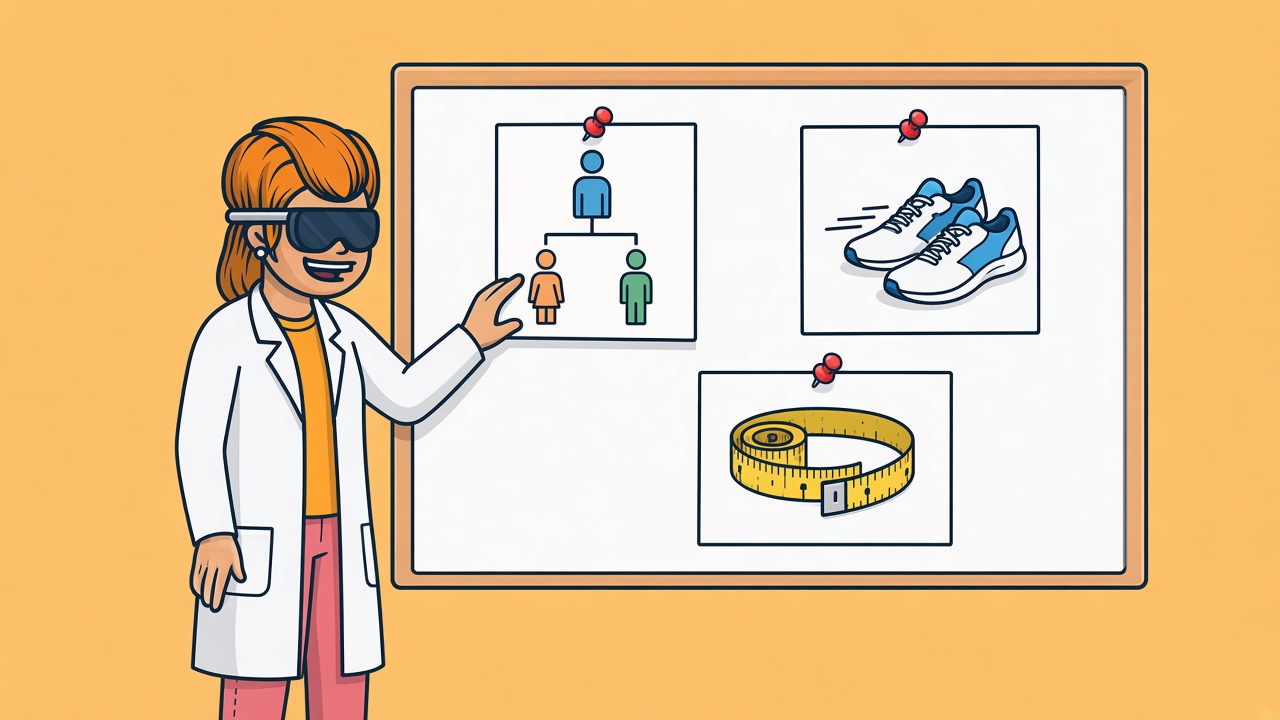
Family history, abdominal overweight, low activity, high blood pressure, lipid changes, prediabetes, prior gestational diabetes, midlife age—and some medicines in clinical context—raise chance of type 2. Risk is a flashlight, not a verdict.
Step 4 — Know what tests ask
This site does not interpret your results.
| Test | Educational question |
|---|---|
| Fasting glucose | Glucose after an agreed fasting period? |
| HbA1c | Rough average over ~2–3 months? |
| OGTT | How the body handles an oral glucose load? |
| Random glucose + typical symptoms | Acute diagnostic pathways in guidelines—clinical only |
Overview: diabetes tests.
Seven educational examples
- Night waking to pee and drink without burning urination
- Water bottles empty by noon, mouth still dry
- Feeling well + parents with type 2 → screening talk
- Rapid weight loss while eating more → urgent type 1 pattern education
- Recurrent yeast infections opening a glucose conversation
- Child with new bed-wetting + thirst — children
- Pregnancy often asymptomatic — prenatal screening (gestational)
What does not prove diabetes
Sweet-urine folklore · one salty-meal thirst day · a single pharmacy meter reading · Instagram checklists · “my grandparent had it, so I do”
Myths
| Myth | Education |
|---|---|
| No dessert = no diabetes | Type 2 involves insulin resistance and many factors |
| No symptoms = I’m clear | Type 2 is often silent |
| The internet names my type | Only clinicians + labs do |
| Miracle tea diagnoses or cures | Not on this site |
Appointment checklist
Symptom timeline · night urination · weight change · medicines · family history · prior labs · questions (“Do I need fasting?”, “A1c now?”, “When to recheck?”).
When to seek care
Clinical visit: persistent symptoms, high risk without recent testing, abnormal screening.
Emergency: confusion, persistent vomiting, very deep/fast breathing, hard to wake — ketoacidosis · when to seek help.
FAQ
Can I know without a test?
You cannot confirm without clinical/lab assessment. Symptoms only raise educational suspicion.
Can I have diabetes with no thirst?
Yes—especially type 2.
Is prediabetes diabetes?
No. Prediabetes.
Is a pharmacy meter enough?
No—it does not finalize diagnosis.
Child with sudden thirst and peeing—wait?
If rapid/intense or vomiting/confusion—don’t wait.
What this page does not do
Diagnose you, interpret your labs, recommend doses or cures.
Related
Diabetes symptoms · Type 2 · Type 1 · Tests · Risk factors
Next step
If “do I have diabetes?” won’t leave your mind—especially with symptoms or risk—book a clinical assessment. This article organizes thinking; a professional confirms and cares.